

Introduction
Often called the “sunshine vitamin,” Vitamin D3 is one of the most important nutrients for overall health. It plays a key role in bone strength, immunity, mood regulation, and even cardiovascular support. Yet, many Americans fall short of their daily needs due to limited sun exposure and diet gaps.
This is why Vitamin D3 supplements, along with a diet rich in natural sources have become a cornerstone of preventive health.
What Is Vitamin D3?
Vitamin D is a fat-soluble vitamin that exists in two main forms:
- Vitamin D2 (ergocalciferol): Found in some plant-based foods.
- Vitamin D3 (cholecalciferol): Produced naturally in the skin when exposed to sunlight and also found in certain animal-based foods.
D3 is considered the more effective form because it raises and maintains vitamin D levels in the blood more efficiently than D2.
Health Benefits of Vitamin D3
1. Bone and Muscle Health
Vitamin D3 helps the body absorb calcium and phosphorus, minerals crucial for building and maintaining strong bones. It reduces the risk of osteoporosis and fractures, especially in older adults.
2. Immune System Support
D3 enhances immune cell function, helping the body fight off infections and lowering the risk of respiratory illnesses.
3. Mood and Mental Health
Low Vitamin D levels are linked with seasonal affective disorder (SAD) and depression. Supplementation may support better mood and mental well-being.
4. Cardiovascular and Metabolic Health
Research suggests Vitamin D3 may help regulate blood pressure, improve insulin sensitivity, and support heart health.
Why Many Americans Are Deficient
Despite its importance, Vitamin D deficiency is common in the US due to:
- Limited sun exposure (indoor jobs, use of sunscreen, winter months).
- Darker skin tones, which produce less D3 from sunlight.
- Aging, since older adults have reduced ability to synthesize Vitamin D.
- Diets low in natural Vitamin D-rich foods.
The Role of Supplements
For many people, getting enough Vitamin D3 through diet and sunlight alone can be difficult. Supplements provide a reliable way to meet daily needs, especially in regions with long winters.
- Dosage: The recommended dietary allowance (RDA) for adults is 600–800 IU, but some individuals may require more depending on health status and medical guidance.
- Forms: Available as capsules, tablets, softgels, or liquid drops.
- Best taken with fat-containing meals, since Vitamin D3 is fat-soluble.
Always consult with a healthcare professional for personalized dosage.
Foods Rich in Vitamin D3
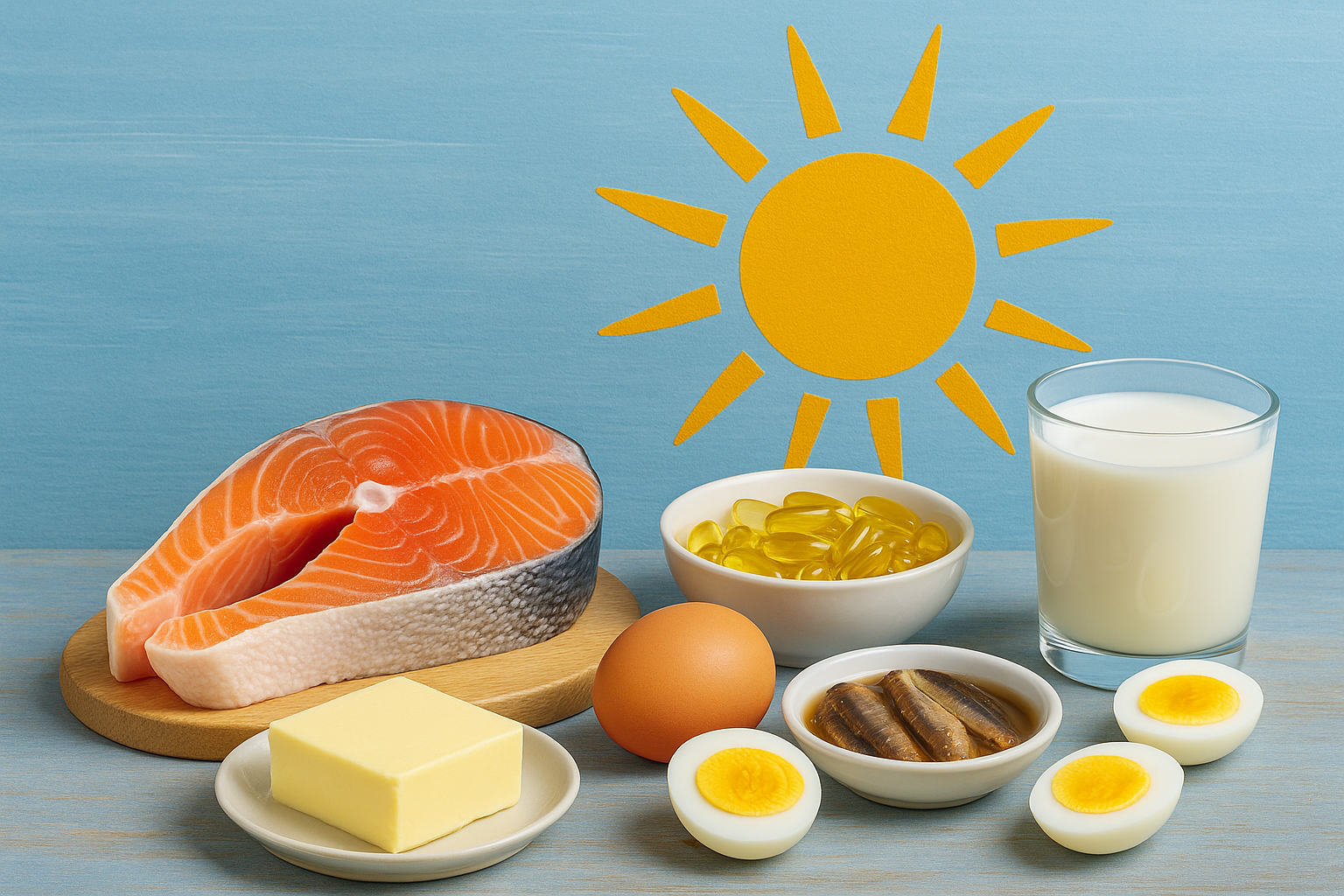
While sunlight is the best natural source, these Vitamin D3-rich foods can help boost your intake:
- Fatty fish: Salmon, mackerel, sardines, and tuna.
- Cod liver oil: One of the richest natural sources.
- Egg yolks: From pasture-raised or vitamin D-fortified hens.
- Fortified foods: Milk, orange juice, cereals, and plant-based alternatives often have added Vitamin D.
- Beef liver: A less common but nutrient-dense source.
Combining Food, Sun, and Supplements
The most effective way to maintain healthy Vitamin D3 levels is through a balanced approach:
- Spend short periods in sunlight safely.
- Include Vitamin D-rich foods regularly.
- Use a supplement when diet and lifestyle fall short.
The Bottom Line
Vitamin D3 is more than just a nutrient, it’s essential for strong bones, a resilient immune system, balanced mood, and long-term wellness. With deficiency being so widespread, supplements and Vitamin D3-rich foods are an important part of modern preventive health.
By combining sunlight, smart food choices, and supplementation when needed, you can ensure your body has the support it needs to thrive.