

Introduction
When people think about summer wellness, they usually think about hydration, sunscreen, travel, and staying active. But one important part of feeling good during the warmer months often gets overlooked: fiber.
Fiber plays a major role in digestive health, regularity, fullness, blood sugar balance, and overall wellness. It helps keep digestion moving, supports a healthier gut environment, and can make it easier to stay consistent with your wellness goals. According to Mayo Clinic, dietary fiber helps support bowel regularity, cholesterol levels, blood sugar control, and satiety.
During summer, fiber becomes especially important because routines often change. Travel, outdoor events, cookouts, dehydration, heavier meals, and less consistent eating patterns can all affect digestion. Getting enough fiber can help your body stay more balanced when your schedule is anything but.
Summer Routines Can Disrupt Digestion
Summer is full of routine changes. You may be traveling more, eating at different times, attending barbecues, grabbing convenience foods, or spending long days outside. While these moments are fun, they can also throw off your digestive rhythm.
When your meals, sleep, hydration, and movement patterns shift, your gut may respond with bloating, sluggish digestion, or irregularity. Fiber helps support regular bowel movements by adding bulk and helping keep things moving through the digestive tract. Mayo Clinic notes that fiber is especially known for helping prevent or relieve constipation.
This is why fiber should not be treated as just another nutrition detail. It is one of the daily basics that can help your body feel more consistent, even when your schedule changes.
Travel Can Make Fiber Intake Drop
Travel often makes it harder to get enough fiber. Airport snacks, road trip foods, restaurant meals, and quick convenience options are not always rich in fruits, vegetables, whole grains, legumes, nuts, or seeds.
At the same time, travel can also mean sitting for long periods, drinking less water, sleeping differently, and eating heavier meals than usual. All of these factors can affect digestive comfort and regularity.
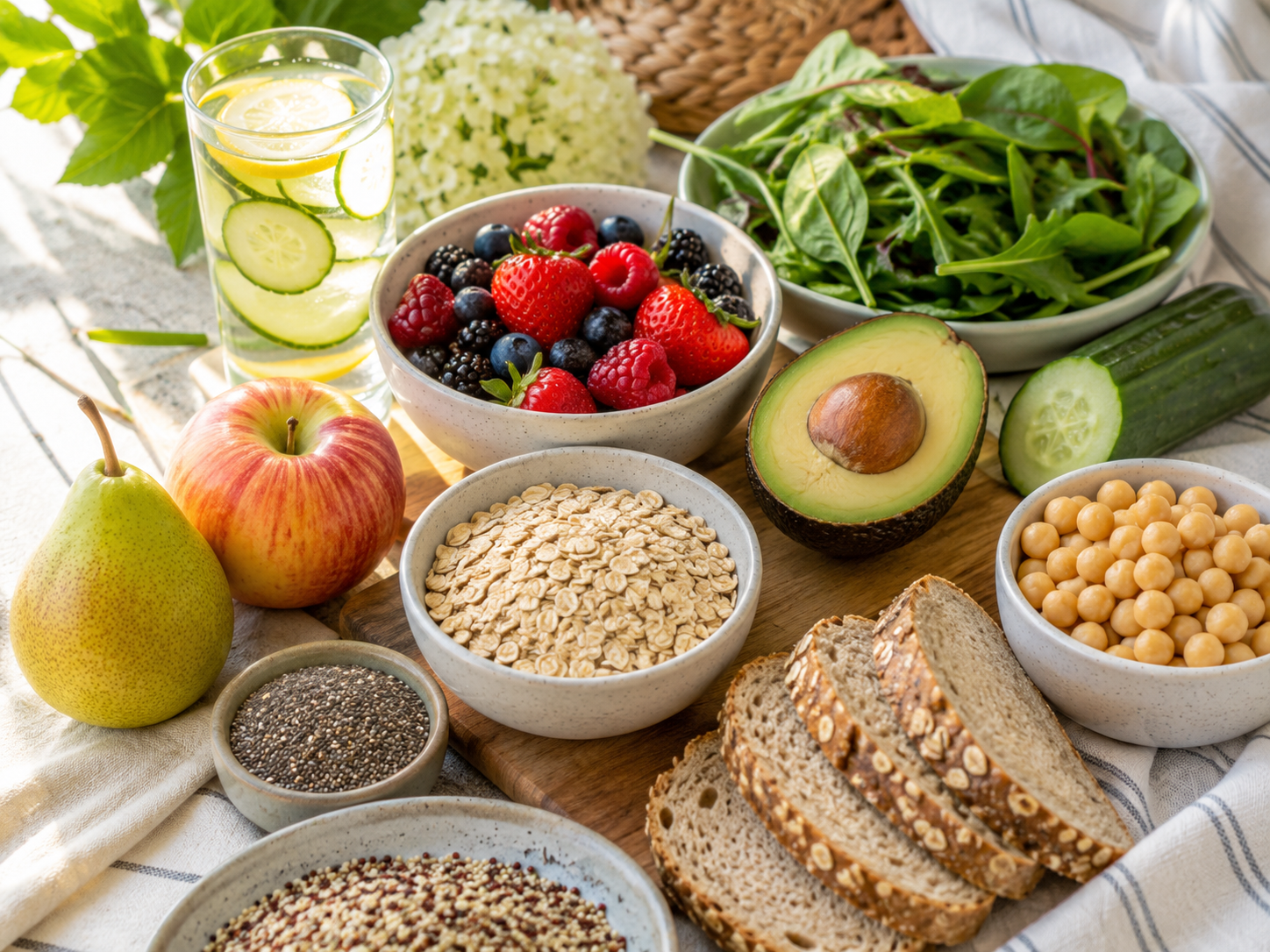
Adding fiber-rich choices where you can, such as oatmeal, berries, apples, salads, beans, chia seeds, whole grains, or nuts, can help support your digestion while you are away from your normal routine. The goal is not perfection. It is simply giving your gut something familiar and functional to work with.
Cookouts and Summer Foods Are Often Low in Fiber
Summer meals can be delicious, but many classic cookout foods are naturally low in fiber. Burgers, hot dogs, chips, desserts, refined breads, and processed snacks may be common at summer gatherings, but they do not always provide the fiber your digestive system needs.
Low-fiber meals can leave you feeling heavier, less satisfied, and more prone to digestive sluggishness. Fiber-rich foods, on the other hand, help slow digestion, support fullness, and provide more nourishment from your meals.
A simple way to balance summer plates is to add color and plants whenever possible. Think grilled vegetables, fruit, bean salads, avocado, leafy greens, corn, lentils, whole grain buns, or a side of berries. Small additions can make a big difference over time.
Fiber and Hydration Work Together
Hydration gets a lot of attention in the summer, and for good reason. Heat, sweating, caffeine, alcohol, and outdoor activity can all increase your need for fluids. But fiber and hydration are closely connected.
Fiber needs water to do its job well. Without enough fluids, increasing fiber too quickly may lead to bloating, gas, or constipation. When fiber and water work together, they help support smoother digestion and more comfortable regularity.
This is especially important during hot months. If you are increasing your fiber intake, make sure you are also drinking enough water throughout the day. A fiber-forward routine works best when hydration is part of the plan.
Fiber Helps Support Fullness During Busy Summer Days
Summer schedules can be unpredictable. You may skip meals, snack more often, eat later than usual, or spend long hours outdoors. Fiber can help support fullness, making meals feel more satisfying and helping reduce the urge to constantly snack.
Soluble fiber forms a gel-like texture in the digestive tract, which can slow digestion and help support steadier blood sugar levels. Harvard Health notes that soluble fiber slows digestion and can help reduce blood sugar spikes while also supporting healthy cholesterol levels.
This makes fiber especially helpful during summer days when meals are spaced out, activity levels are higher, or food choices are less predictable.
Fiber Supports Gut Health
Fiber is not only about regularity. Certain types of fiber also act as prebiotics, meaning they help nourish beneficial bacteria in the gut. A healthy gut environment plays an important role in digestion, nutrient absorption, immune wellness, and overall health.
When fiber intake is low, your gut may not get the nourishment it needs to support microbial balance. During summer, when eating patterns can become less consistent, this support becomes even more important.
Adding a variety of fiber sources is one of the best ways to support a more diverse gut environment. Fruits, vegetables, legumes, oats, seeds, and whole grains each provide different types of fiber that can contribute to digestive wellness.
Most People Do Not Get Enough Fiber
Even though fiber is essential, many people do not get enough each day. This can become even more challenging in the summer when meals are less structured and convenience foods become more common.
The general recommended fiber intake is about 25 grams per day for women and 38 grams per day for men, according to commonly used dietary guidance. Many adults fall short of that range, which is why small daily changes can be helpful.
Instead of trying to overhaul your entire diet overnight, start with simple upgrades. Add fruit to breakfast, include vegetables at lunch, choose whole grains when possible, add beans to meals, or keep nuts and seeds on hand for snacks.
Increase Fiber Slowly
Fiber is beneficial, but adding too much too quickly can be uncomfortable. A sudden increase may cause gas, bloating, or digestive changes, especially if your body is not used to a higher-fiber diet.
The best approach is gradual. Add fiber slowly over several days or weeks, drink plenty of water, and pay attention to how your body responds. This gives your digestive system time to adjust.
Consistency matters more than perfection. A little more fiber each day is often easier to maintain than a drastic change that feels difficult to stick with.
Simple Summer Fiber Habits
Supporting your fiber intake during summer does not need to be complicated. Start your day with oats, berries, or chia seeds. Add avocado, greens, or beans to meals. Snack on fruit, nuts, or vegetables with hummus. Choose whole grain options when they are available.
You can also build fiber into meals you already enjoy. Add vegetables to sandwiches, toss beans into salads, pair grilled meals with a veggie side, or keep fresh fruit ready for hot afternoons.
The goal is to make fiber feel easy, not overwhelming. When healthy choices are simple and accessible, they are much easier to repeat.
The Bottom Line
Fiber matters year-round, but it may matter even more during summer. Travel, heat, cookouts, low-fiber convenience foods, dehydration, and disrupted routines can all affect digestion and regularity.
By making fiber a daily priority, you can help support digestive comfort, gut health, fullness, and overall wellness. This summer, do not just think about sunscreen and hydration. Think about your gut, too.
Small fiber-rich choices can help your body feel lighter, more balanced, and better supported all season long.