
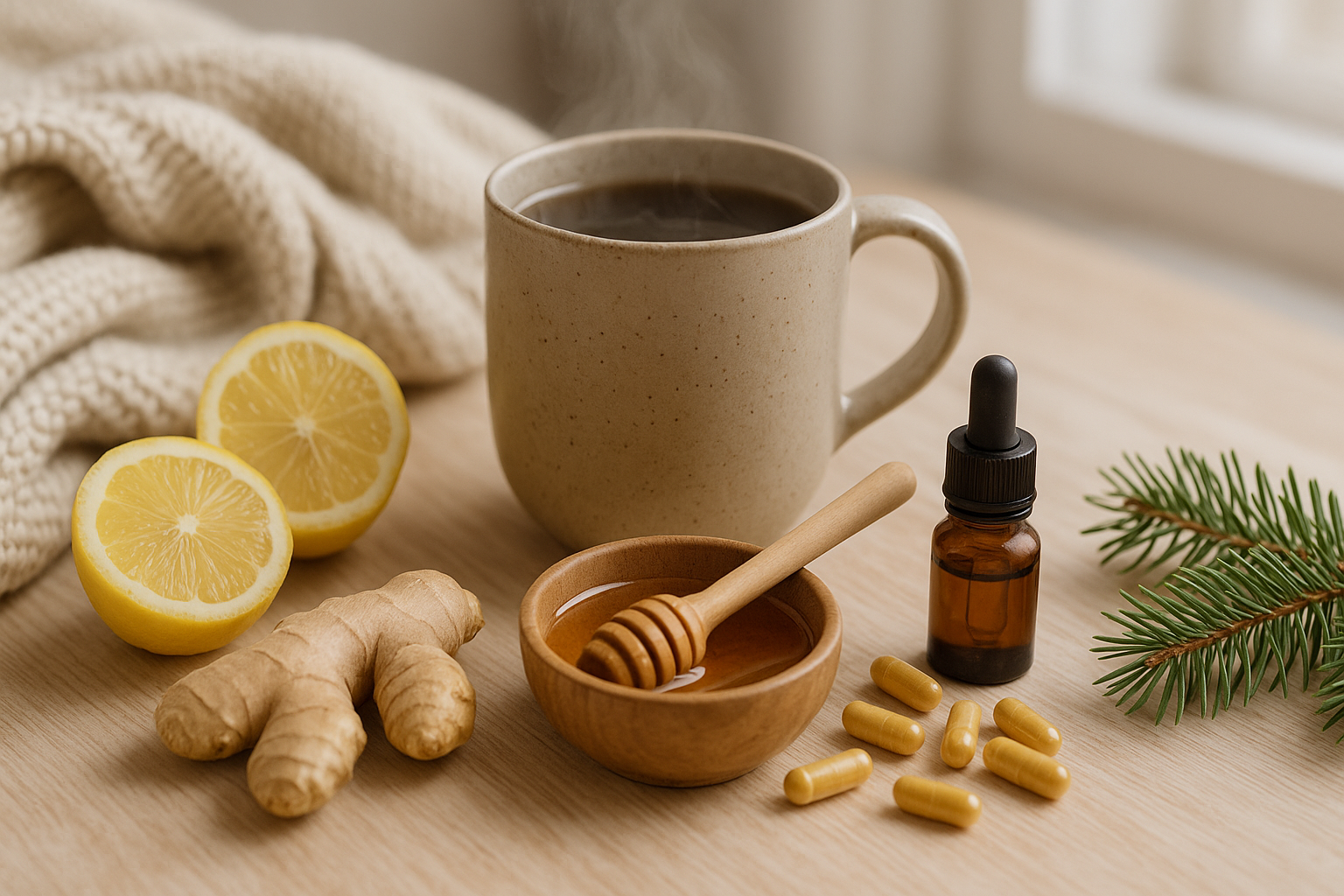

As colder days arrive and routines shift indoors, your immune system works harder to keep you well. Preparing ahead of peak winter season allows your body to stay resilient and better equipped to handle seasonal changes. By supporting your immune system now, you build a stronger foundation for energy, vitality, and overall well being throughout winter.
This guide outlines simple, effective ways to strengthen immunity naturally and consistently.
Why Boosting Immunity Before Winter Matters
During winter, the body experiences more stressors such as:
- Less sunlight and reduced vitamin D
- Lower temperatures
- Dry indoor air
- More indoor gatherings
- Higher exposure to seasonal germs
Strengthening immunity early helps your body respond efficiently before challenges arise.
1. Prioritize Nourishing Foods
Whole, nutrient rich foods give your immune cells what they need to function properly.
Aim to include:
- Citrus fruits for vitamin C
- Leafy greens for phytonutrients
- Garlic and onions to support immune response
- Protein sources like beans, chicken, or fish
- Berries for antioxidants
Try filling half your plate with colors. Nature often links color to nutrient density.
2. Increase Hydration
People tend to drink less water once temperatures drop, but proper hydration keeps the immune system active.
Ways to stay hydrated:
- Warm herbal teas
- Infused water with lemon or ginger
- Broths or clear soups
Hydration supports circulation and helps the body flush waste efficiently.
3. Move Your Body Daily
Consistent movement supports lymphatic flow and reduces inflammation. You do not need intense workouts to boost immunity. Even short bursts of movement count.
Winter friendly movement ideas:
- Power walking
- Indoor stretching
- Yoga flows
- Bodyweight circuits
- Dance workouts
Movement increases oxygen flow, strengthens immunity, and improves sleep quality.
4. Support Gut Health
A large portion of immune activity begins in the gut. Feeding your microbiome creates a stronger protective barrier.
Daily habits include:
- Eating fiber rich vegetables
- Including prebiotic foods like oats, bananas, and asparagus
- Consuming fermented foods such as kimchi, yogurt, or sauerkraut
When digestion works smoothly, the immune system follows.
5. Protect Your Sleep Routine
Sleep is one of the strongest regulators of immune response. During deep sleep, the body restores cells, repairs tissue, and creates immune proteins.
To improve sleep quality:
- Dim the lights an hour before bed
- Keep room temperature cool
- Avoid late caffeine
- Limit screens at night
Sleep gives your immune system time to recharge.
6. Spend Time Outdoors
Fresh air, daylight, and natural movement increase vitamin D levels and stabilize mood.
Try:
- Morning sunlight exposure
- A brisk walk after lunch
- Weekend nature time
Even ten minutes outside can influence immune strength.
7. Reduce Stress Load
Stress hormones affect immune activity. Lowering your stress response helps your body stay ready to defend itself.
Simple stress relief ideas:
- Listening to calming music
- Daily journaling
- Deep breathing
- Stretching in silence
Short resets go a long way.
8. Stay Consistent With Natural Support
Seasonal immune habits often work best when followed consistently. Even small rituals can build resilience.
Some nurturing practices include:
- Warm detoxifying teas
- Aromatherapy with eucalyptus or lavender
- Mineral rich soups
- Daily protein intake for immune cell production
Consistency is the easiest way to see lasting results.
Winter Immunity Action Checklist
✔ Hydrate and include warm beverages
✔ Eat nutrient dense meals
✔ Move daily, even indoors
✔ Support gut function
✔ Sleep at least seven hours
✔ Get fresh air
✔ Reduce stress and add calming practices
Strong immunity does not happen overnight. It builds gradually through daily choices.