

When people talk about cholesterol, the conversation usually focuses on LDL, HDL, and triglycerides.
But there is another marker that deserves more attention: oxidized LDL.
Oxidized LDL is not just about how much LDL cholesterol you have. It is about what happens when LDL particles are exposed to oxidative stress. This matters because oxidized LDL is often discussed in cardiovascular research for its connection to inflammation, artery health, and plaque development.
In other words, cholesterol health is not only about the numbers. It is also about the quality and behavior of those particles.
What Is Oxidized LDL?
LDL stands for low-density lipoprotein. It is often called “bad cholesterol” because higher LDL levels can be associated with greater cardiovascular risk.
But LDL itself is not the full story.
Oxidized LDL, often written as oxLDL, forms when LDL particles are modified by oxidative stress. This can happen when free radicals interact with LDL particles, changing their structure and how they behave in the body.
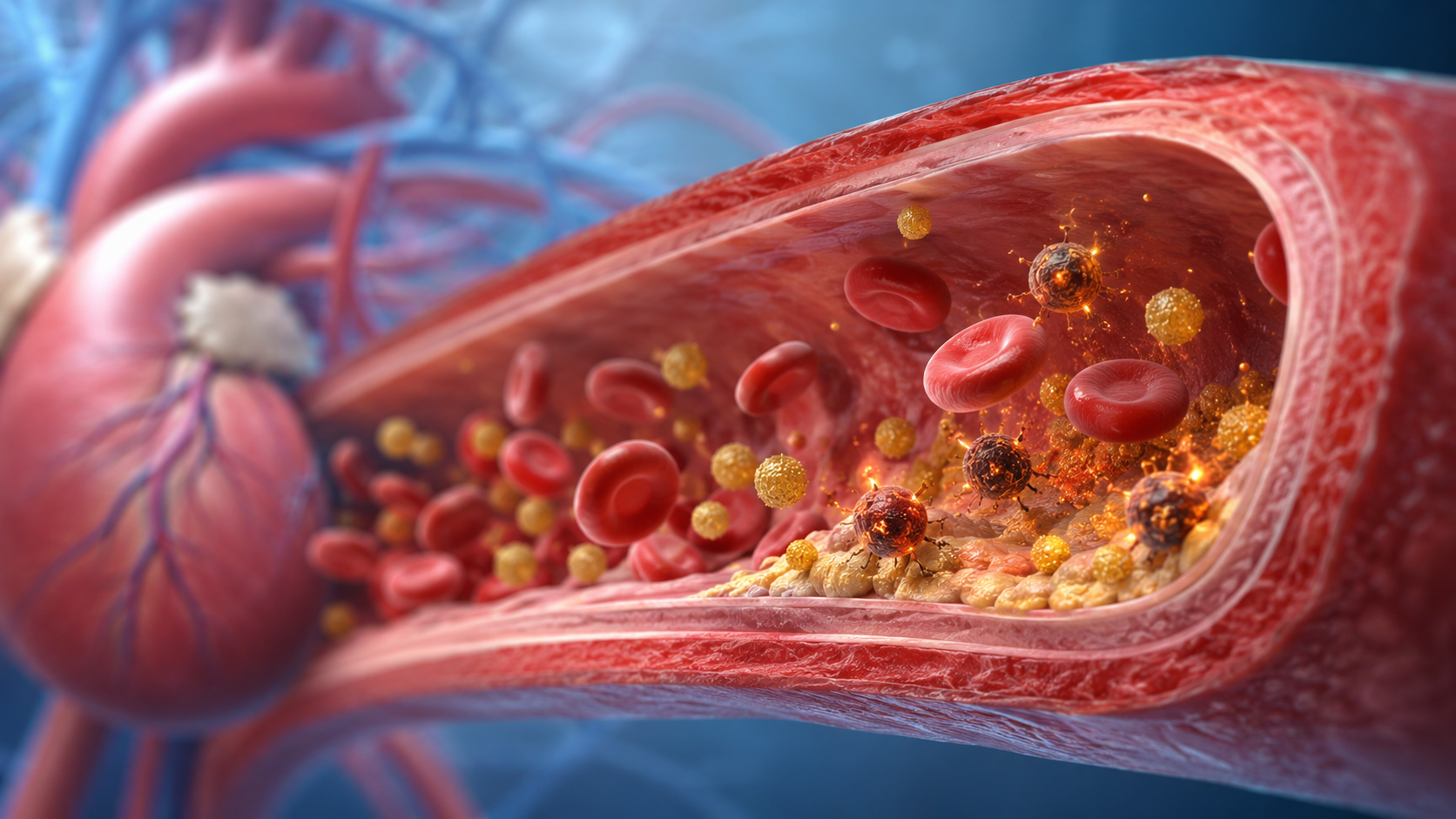
Once LDL becomes oxidized, it may be more likely to trigger immune activity, inflammation, and buildup within artery walls. Research has linked oxidized LDL to several steps involved in atherosclerosis, the process where plaque builds up in the arteries.
Why Oxidized LDL Matters
LDL cholesterol is important, but oxidized LDL may give extra insight into cardiovascular wellness.
That is because oxidized LDL can behave differently than regular LDL. It may be more likely to interact with immune cells, contribute to foam cell formation, and play a role in the development of plaque inside the arteries.
Some research suggests oxidized LDL may be useful as a cardiovascular risk marker, especially in people with chronic inflammation or metabolic concerns.
How LDL Becomes Oxidized
Oxidation is a normal process in the body, but too much oxidative stress can become a problem.
LDL may be more likely to oxidize when the body is exposed to higher levels of oxidative stress from factors such as:
Poor diet quality
Smoking
Chronic stress
Poor sleep
High blood sugar
Insulin resistance
Inflammation
Low antioxidant intake
Sedentary lifestyle
This is why heart health is not only about lowering cholesterol. It is also about supporting the body’s antioxidant defenses and reducing lifestyle factors that contribute to oxidative stress.
The Blood Sugar Connection
Oxidized LDL is especially important when talking about blood sugar and metabolic health.
When blood sugar is frequently elevated or insulin sensitivity is reduced, oxidative stress may increase. This can make LDL particles more vulnerable to oxidation.
This is one reason people with metabolic syndrome, insulin resistance, or blood sugar concerns may also see changes in triglycerides, HDL cholesterol, and LDL particle behavior.
Cholesterol, blood sugar, inflammation, and oxidative stress are all connected.
Why Standard Cholesterol Tests May Not Tell the Whole Story
A standard lipid panel usually measures:
Total cholesterol
LDL cholesterol
HDL cholesterol
Triglycerides
These numbers are important, but they do not usually measure oxidized LDL directly.
Oxidized LDL testing is more specialized and may be discussed in advanced cardiovascular or functional lab testing. It is not always part of routine cholesterol screening, but it may offer additional context in certain situations.
This does not mean everyone needs advanced testing. It simply means cholesterol health can involve more than a basic LDL number.
How to Support Healthy LDL and Oxidative Balance
You cannot control every factor involved in cholesterol oxidation, but your daily habits can help support a healthier environment in the body.
1. Focus on Antioxidant Support
Antioxidants help protect the body from oxidative stress.
A heart-conscious routine may include antioxidant support from colorful plant foods, polyphenol-rich ingredients, and targeted nutrients that help support the body’s natural defense systems.
2. Support Healthy Blood Sugar
Blood sugar balance matters because glucose metabolism and oxidative stress are closely linked.
Prioritizing protein, fiber, regular movement, and balanced meals can help support healthier glucose responses and metabolic wellness.
3. Move Consistently
Exercise supports circulation, insulin sensitivity, triglyceride balance, HDL cholesterol, and overall cardiometabolic health.
Even walking after meals can be a simple way to support blood sugar and heart wellness.
4. Prioritize Sleep and Stress Management
Poor sleep and chronic stress may affect blood sugar, cravings, inflammation, and oxidative stress.
Consistent sleep and stress-support habits are part of a strong heart health foundation.
5. Know Your Numbers
Routine lab work helps you understand your cholesterol and metabolic health patterns over time.
Ask your healthcare provider which markers make sense for you based on your history, risk factors, and goals.
Supplements and Oxidized LDL Support
Some cholesterol support supplements focus only on LDL cholesterol. Others take a broader approach by including ingredients that may also support antioxidant protection, lipid metabolism, glucose metabolism, and triglyceride balance.
Ingredients often discussed for cholesterol and oxidative stress support include:
Bergamot extract
Phytosterols or plant sterols
Chromium
Policosanol
Red yeast rice
CoQ10
Antioxidant polyphenols
Bergamot is especially interesting because it contains polyphenols and has been studied for cholesterol and oxidative stress markers. Chromium may support glucose metabolism, which connects to triglycerides and metabolic health. Phytosterols may support healthy cholesterol absorption patterns.
A well-rounded cholesterol support routine should look at multiple pathways, not just one number.
Who Should Pay Attention to Oxidized LDL?
Oxidized LDL may be especially worth learning about for people focused on:
Cholesterol support
Heart health
Blood sugar balance
Metabolic wellness
Triglyceride balance
Inflammation and oxidative stress
Long-term cardiovascular wellness
It may also be relevant for people who have normal-looking cholesterol numbers but still have other metabolic or inflammatory risk factors.
Important Safety Note
If you have high cholesterol, heart disease, diabetes, prediabetes, metabolic syndrome, or take medication for cholesterol, blood sugar, blood pressure, or blood thinning, speak with your healthcare provider before starting any supplement.
Supplements should not replace prescribed medication, medical care, or routine lab testing.
The Bottom Line
Oxidized LDL is one of the cholesterol-related markers more people should know about.
It helps explain why cholesterol health is not only about LDL quantity. It is also about oxidation, inflammation, blood sugar balance, and overall metabolic wellness.
A strong heart health routine should support healthy cholesterol levels, antioxidant protection, glucose metabolism, triglyceride balance, and daily lifestyle habits.
The more you understand the full picture, the smarter your cholesterol support routine can be.