

Introduction
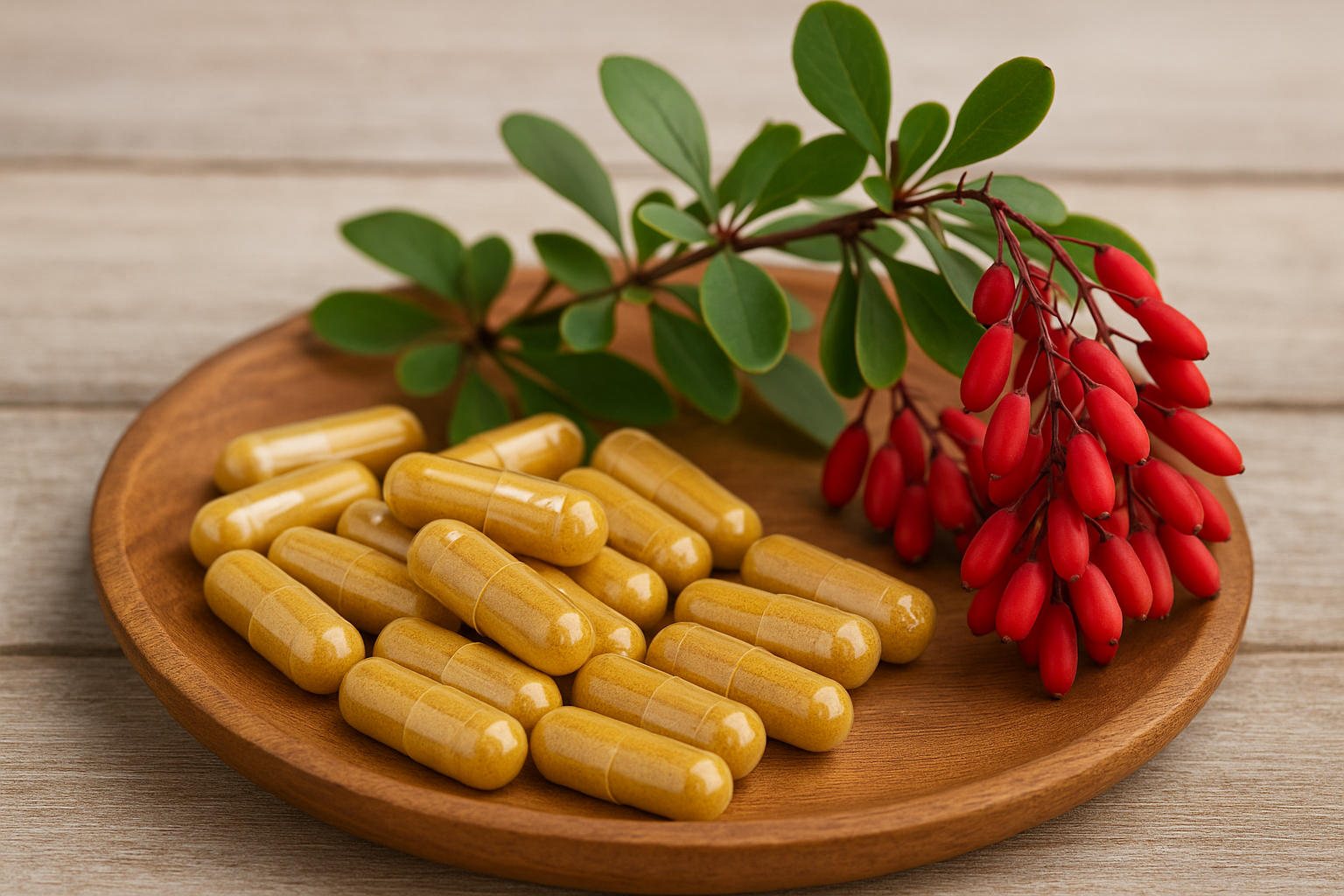
Berberine is a natural plant alkaloid extracted from species like Berberis and Coptis chinensis. Long used in traditional Chinese and Ayurvedic medicine, it has become one of the most studied botanical compounds for metabolic health. Unlike single-pathway drugs, berberine influences multiple targets including AMPK activation, bile acid metabolism, gut microbiota, and lipid regulation giving it broad appeal for conditions like type 2 diabetes, nonalcoholic fatty liver disease (NAFLD/MASH), and dyslipidemia.
Modern science now provides growing clinical evidence, while biotech companies are investing heavily in novel berberine derivatives to bring this ancient compound into mainstream medicine.
Benefits of Berberine Supplements
1. Blood Sugar Control
- Insulin Sensitivity: Berberine activates AMPK, a metabolic “switch” that improves glucose uptake by cells and reduces hepatic glucose production.
- Comparable to Metformin: Several head-to-head clinical studies report reductions in fasting blood glucose and HbA1c similar to standard therapies in mild to moderate type 2 diabetes.
- Long-term support: Data in older adults with type 2 diabetes show improved oxidative stress markers alongside better glycemic control, pointing to dual metabolic and antioxidant benefits.
2. Cholesterol and Lipid Management
- LDL and Triglyceride Reduction: Meta-analyses confirm berberine lowers total cholesterol, LDL cholesterol, and triglycerides significantly.
- HDL Improvement: Some trials suggest modest increases in HDL, though results are mixed.
- Mechanism: Berberine upregulates LDL receptor expression in the liver, improving clearance of circulating cholesterol.
3. Body Fat and Weight Management
- Fat Mass Reduction: Small RCTs indicate berberine supplementation can reduce body weight and BMI in obese patients, primarily by improving insulin sensitivity and lipid metabolism.
- NAFLD/MASH Benefits: By lowering liver fat and improving liver enzymes, berberine addresses fat accumulation in the liver, a critical driver of metabolic syndrome.
- Synergy with Lifestyle: When paired with diet and exercise interventions, berberine enhances fat loss while helping preserve lean mass.
4. Gastrointestinal Health
- Microbiome Modulation: Berberine alters gut flora composition, encouraging beneficial bacteria and reducing endotoxins that contribute to inflammation and insulin resistance.
- Anti-inflammatory Effects: By lowering gut-derived LPS and inhibiting NF-κB, berberine helps reduce systemic inflammation.
- GI Tolerability: While berberine can sometimes cause constipation or mild GI upset, many studies report good tolerability when doses are divided throughout the day.
Clinical Trials & Research
Blood Sugar Control
- Meta-analysis in Type 2 Diabetes (2024): Found berberine reduced fasting glucose by ~20 mg/dL and HbA1c by ~0.9%, with results comparable to oral hypoglycemics in mild diabetes cases.
- RCT in Elderly Diabetic Patients: Long-term supplementation improved HbA1c, fasting glucose, and oxidative stress markers, suggesting benefits for both glucose control and aging-related metabolic decline.
- HTD1801 (berberine ursodeoxycholate): A novel berberine-based drug candidate showed significant improvements in HbA1c and glycemic markers in a 2025 randomized trial in adults with type 2 diabetes.
Cholesterol & Lipid Trials
- Systematic Reviews: Across 14 RCTs with 1,400+ participants, berberine consistently lowered LDL (by ~25 mg/dL) and triglycerides, with modest HDL increases.
- NAFLD/MASH Trials: Participants supplemented with berberine had lower ALT/AST, reduced liver fat on imaging, and better lipid profiles compared to placebo.
Body Fat & Weight Management
- RCT in Obese Adults: 12 weeks of berberine supplementation led to an average 2–3 kg weight loss and a significant reduction in BMI compared to placebo.
- Intermittent Fasting + Berberine: Combination protocols suggested enhanced fat loss and lean mass preservation versus fasting alone, although more data are needed.
GI Health & Gut Microbiota
- Microbiome Studies: Human and animal data show berberine increases short-chain fatty acid producing bacteria, which support gut barrier integrity and glucose regulation.
- GI Symptoms in NAFLD Trials: Participants experienced improved digestive comfort and reduced bloating, consistent with microbiome shifts.
Colorectal Adenoma Prevention
- Follow-up Trial Data: Patients who had undergone polypectomy showed lower adenoma recurrence with berberine supplementation compared to placebo, highlighting possible chemopreventive potential.
Biotech Funding & Industry Developments
- HighTide Therapeutics (HTD1801):
- Raised ~HK$194 million via Hong Kong listing in 2023, followed by additional placements in 2025 to fund global trials.
- Phase 3 trials in type 2 diabetes and MASH met primary endpoints, signaling regulatory potential for a berberine-based prescription therapy.
- The candidate combines berberine with ursodeoxycholate, enhancing solubility, absorption, and tolerability.
- Macro Funding Trends:
- Despite a slowdown in biotech financing in mid-2025, metabolic disease assets like HTD1801 remain attractive to investors due to high unmet need in diabetes and liver disease.
Conclusion
Berberine stands out as one of the most promising natural supplements for metabolic health. Research consistently demonstrates its ability to:
- Lower blood sugar and improve insulin sensitivity
- Reduce cholesterol and triglycerides while modestly raising HDL
- Support body fat reduction and protect lean mass
- Improve gut health and reduce liver fat in NAFLD/MASH
Meanwhile, biotech innovation is taking berberine to the next level. With HTD1801 showing strong results in late-stage diabetes and liver disease trials, berberine’s future may extend well beyond supplements into approved therapeutics.
For now, berberine remains a powerful adjunct for those managing metabolic health but as always, consult a healthcare provider before starting supplementation, especially if taking prescription medications.