

Introduction
When it comes to vitamin C, most people think of oranges, lemons, or synthetic supplements. But there’s a tropical superfruit quietly stealing the spotlight, Acerola (Malpighia emarginata), also known as Barbados Cherry.
Native to the Caribbean and South America, acerola contains one of the highest natural concentrations of vitamin C in the world up to 30–40 times more than oranges. Along with polyphenols, carotenoids, and flavonoids, acerola offers a potent antioxidant profile that supports immunity, skin health, collagen synthesis, and overall wellness.
In recent years, acerola has moved from traditional remedies into clinical research, biotech innovation, and global market growth, cementing its place as a premium, clean-label source of vitamin C. Let’s dive into the latest evidence and trends.
What is Acerola?
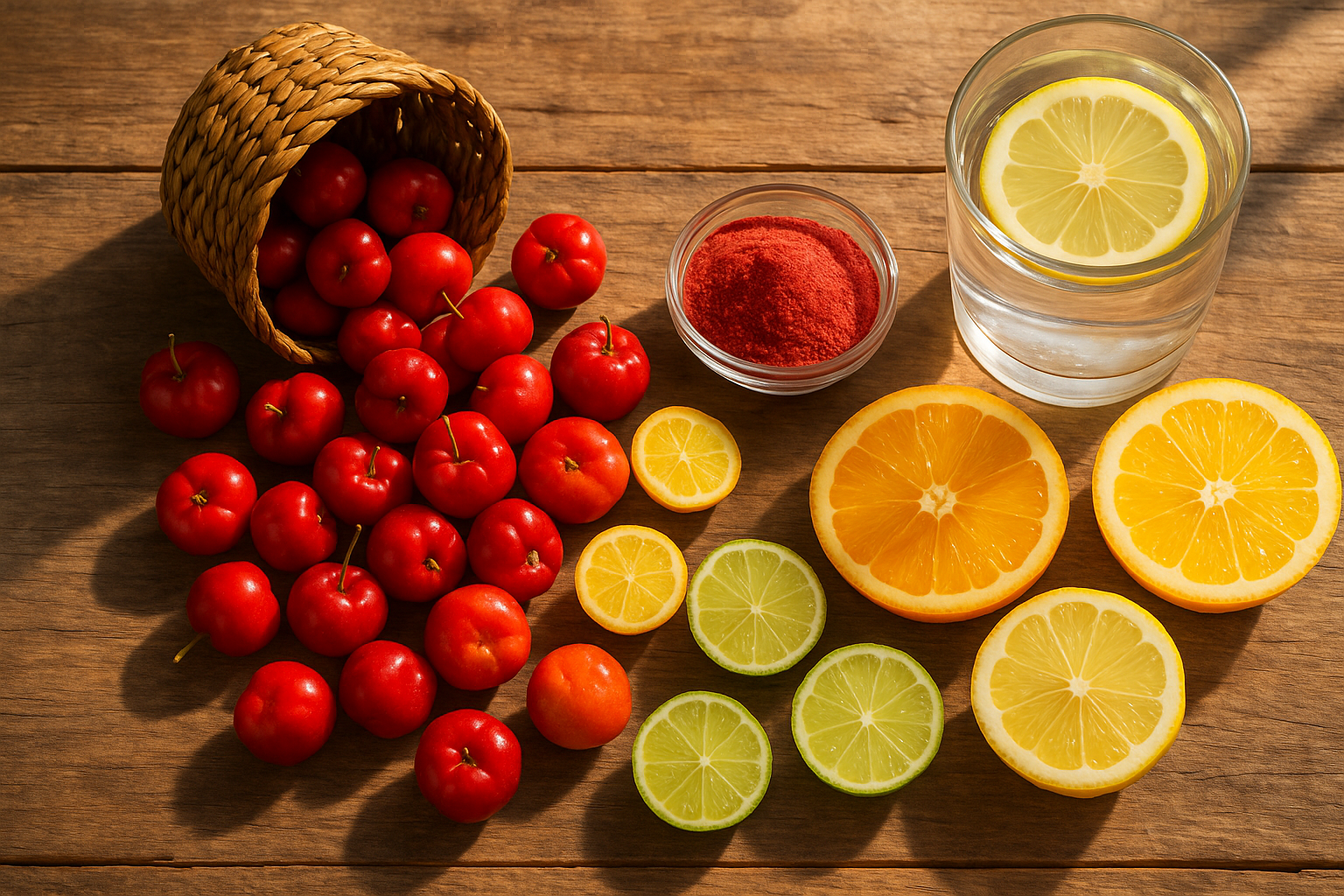
Acerola is a small, bright red fruit that thrives in tropical climates. Traditionally consumed fresh or in juices, it’s now widely processed into powders, concentrates, and extracts used in:
- Dietary supplements
- Functional beverages and foods
- Cosmeceuticals and skincare
Unlike synthetic ascorbic acid, acerola provides vitamin C in a natural food matrix rich in phytonutrients, which may enhance absorption and synergistic health effects.
Latest Clinical Trials on Acerola as Vitamin C
Immune Support Formulas
- A 2024 randomized trial (NCT06218225) is investigating a multi-ingredient immune formula containing acerola-derived vitamin C alongside vitamin D, B-complex, zinc, and elderberry. Researchers are measuring immune outcomes and symptom scores, reflecting acerola’s growing role in comprehensive wellness blends.
Blood Sugar & Lipids
- Another 2024 study (NCT06224803) includes acerola fruit extract in a formula designed to support glycemia and lipid balance, signaling interest in acerola beyond just immunity.
Iron Absorption & Gummies
- In 2025, a trial (NCT06869824) began testing iron gummies with acerola cherry powder to enhance iron absorption and improve blood biomarkers—leveraging vitamin C’s well-known role in iron metabolism.
Aging & Phytochemical Blends
- Ongoing studies like NCT04919876 are evaluating fruit blends containing acerola for metabolic aging, highlighting acerola’s role in combination nutraceutical strategies.
Bioavailability Advantage
- Earlier human work showed that acerola juice led to higher vitamin C plasma concentrations and excretion compared to synthetic ascorbic acid. This suggests acerola’s natural compounds may enhance absorption.
Safety & Authentication Research
- Toxicology: A 2024 rodent study confirmed the safety of acerola extracts across acute and 180-day exposures, supporting its long-term supplement use.
- Quality Control: In 2025, researchers developed DNA barcoding and NMR metabolite fingerprinting methods to authenticate acerola raw material, helping manufacturers ensure purity and traceability.
Biotech & Market Funding Trends
Ingredient Supply & Vertical Integration
- Amway/Nutrilite operates one of the world’s largest acerola farms in Ceará, Brazil, spanning over 3,100 acres and producing millions of kilos of cherries annually. The farm holds organic certifications, reflecting rising consumer demand for transparency and sustainability.
- Döhler, a global ingredient supplier, expanded its U.S. facilities in 2024, increasing production capacity for acerola powders used in supplements and functional beverages.
Market Growth & Forecasts
The global acerola extract market is booming, driven by demand for natural vitamin C and clean-label products:
- Future Market Insights (2025): $22.6 billion in 2025 → $47.4 billion by 2035 (7.6% CAGR).
- Mordor Intelligence (2025): $1.32 billion in 2025 → $1.97 billion by 2030 (8.4% CAGR).
- Global Market Insights (2025): Forecasts acerola extracts surpassing $45.9 billion by 2034.
Consumer Drivers
- Immunity & wellness focus post-COVID has kept vitamin C demand high.
- Clean-label premiumization: Consumers prefer “from nature” vitamin C like acerola over synthetic ascorbic acid.
- Functional innovation: Acerola is being added to snacks, gummies, and beverages, expanding beyond capsules.
Health Benefits of Acerola Vitamin C
- Immune support: Boosts white blood cell function and defenses.
- Skin & collagen: Supports collagen production for skin elasticity.
- Antioxidant protection: Neutralizes free radicals, reducing oxidative stress.
- Iron absorption: Enhances uptake of dietary iron, preventing deficiency.
- Metabolic health: Early evidence shows potential benefits for blood sugar and cholesterol.
Conclusion
From tropical fruit to global supplement superstar, acerola (Barbados cherry) has become one of the most trusted natural sources of vitamin C. Backed by clinical trials, biotech authentication research, and strong market investment, acerola offers far more than just immune support.
As demand for natural, clean-label, and science-backed ingredients rises, acerola is positioned to lead the future of vitamin C supplementation delivering not just nutrition, but a whole-food synergy of antioxidants and phytonutrients.
In short: acerola is more than a fruit. It’s a nutritional innovation shaping the next generation of supplements and functional foods.