

Introduction: Why Spirulina Deserves the Spotlight
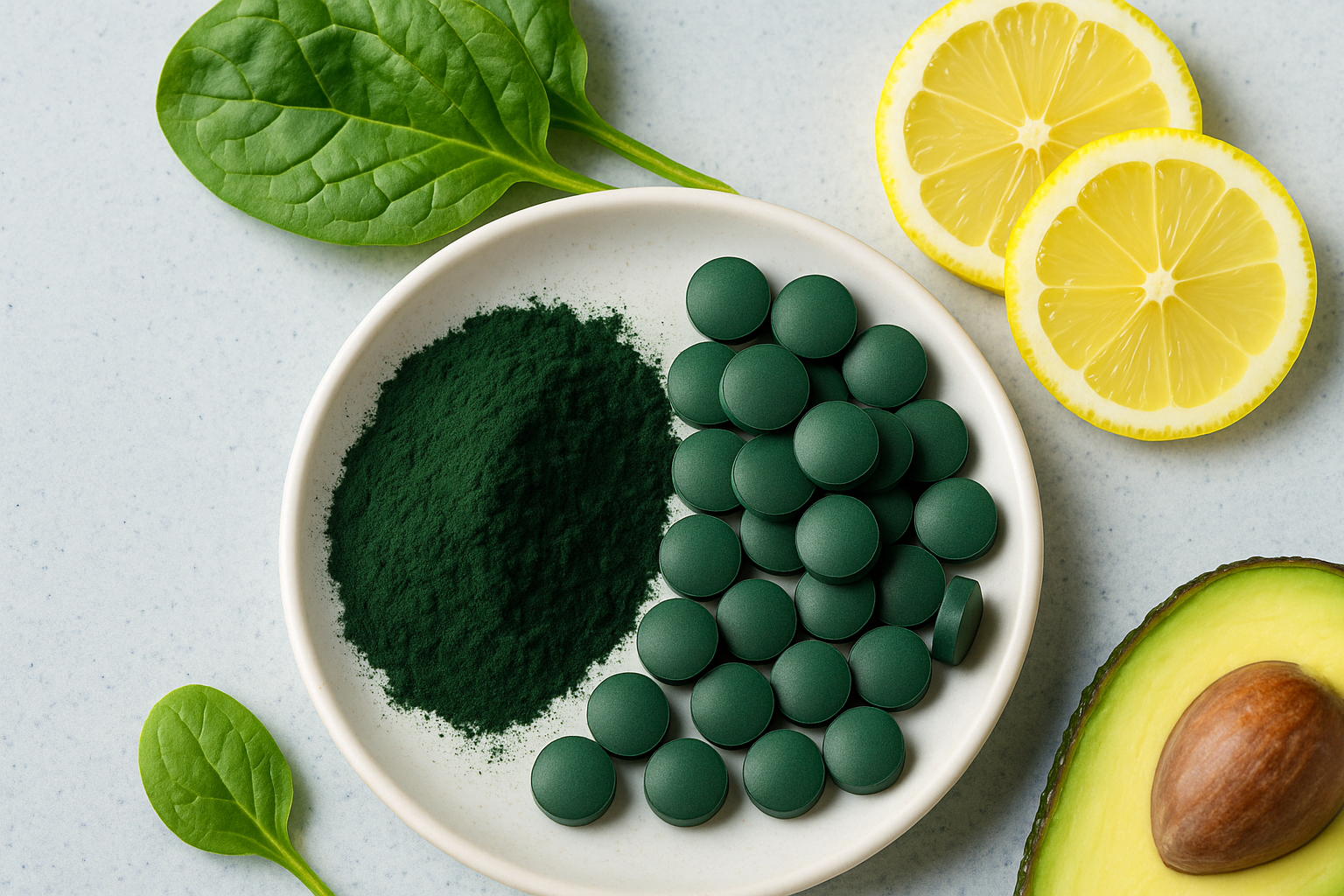
Spirulina, a nutrient-dense blue-green algae, has earned the title of a superfood for decades. Packed with protein, vitamins, minerals, and powerful antioxidants like phycocyanin, it continues to be one of the most researched dietary supplements in the wellness world. But beyond its reputation as a plant-based protein booster, Spirulina is also at the center of cutting-edge clinical research and biotech funding initiatives, fueling both human health discoveries and the next wave of sustainable food innovation.
Spirulina in Human Clinical Trials: What Science Says
Spirulina’s growing acclaim is backed by a steadily expanding body of human clinical research. From mental health and immune support to gut wellness and athletic recovery, here’s a comprehensive breakdown of the latest findings and what they truly mean for health-conscious readers:
1. Mental Health & Sleep Quality
A 2025 double-blind randomized controlled trial explored spirulina’s impact on adults grappling with mild-to-moderately severe depression. Participants received 2 g/day of Spirulina soft gels for 8 weeks, resulting in notable improvements in sleep quality (as measured by PSQI) and mental health indicators compared to placebo.
Why This Matters:
- The link between sleep quality and emotional well-being is well-established. Poor sleep can exacerbate depression, while restful sleep supports mood regulation.
- Spirulina’s positive effects could stem from its richness in tryptophan (a precursor to serotonin and melatonin) and powerful antioxidants like phycocyanin, which help mitigate oxidative stress, potentially promoting better neural function and mood stability.
2. Spirulina and COVID-19 Outcomes
Amid the pandemic, high-dose spirulina gained attention for its potential immunomodulatory benefits.
- A 2024 open-label RCT in Iran examined hospitalized COVID‑19 patients receiving spirulina in conjunction with standard treatment. Results showed faster recovery and notably lower mortality when spirulina was added.
Cautions & Insights:
- Open-label design means both participants and researchers knew who received spirulina this introduces placebo and expectancy effects.
- While promising, these findings underline the need for larger, randomized, placebo-controlled trials before drawing clinical recommendations.
3. Gut Health & Irritable Bowel Syndrome (IBS)
A clinical trial protocol published in 2025 proposes to test spirulina’s impact on constipation-dominant IBS (IBS-C). The study is set to assess effects on quality of life (QoL), oxidative stress, antioxidant capacity, disease severity, and intestinal permeability.
Why It Matters:
- Oxidative stress and inflammation are thought to contribute to IBS symptoms. Spirulina’s antioxidant properties may offer therapeutic benefit.
- This trial could provide new evidence for spirulina’s role in digestive health and symptom management, especially for IBS-C sufferers who often find limited effective options.
4. Exercise Recovery & Muscle Health
Although not covered in the sources retrieved just now, previous research (from May 2024) found no significant benefit of spirulina for muscle recovery after intense exercise a common usage among athletes.
Additional Commentary:
- Small sample sizes (e.g., n=14 in crossover trials) limit statistical power and generalizability.
- Research gaps persist: optimal dosing, duration, and individual response variation (e.g., trained vs untrained subjects) require exploration.
5. Systemic Inflammation: Meta-Analytical Insight
Recent meta-analyses reveal that spirulina supplementation may help reduce systemic inflammatory markers like CRP though results vary across studies due to differences in dosage, treatment duration, and populations.
Key Interpretations:
Consistent evidence showing CRP reductions suggests spirulina’s role in anti-inflammatory strategies, especially for long-term health maintenance.
Chronic inflammation underlies many lifestyle-related conditions, including metabolic, cardiovascular, and autoimmune diseases.
Biotech Funding & Innovation: Spirulina Beyond Supplements
The surge in spirulina research is mirrored in global funding and biotech innovation, signaling a future where this algae may play a key role in both nutrition and sustainability.
- SimpliiGood / AlgaeCore (Israel): Raised US$4 million in 2025, bringing total seed funding to ~US$19 million, to expand spirulina-based smoked salmon alternatives after securing EU regulatory approval .
- SpirulinaNord (Latvia): Opened Europe’s most advanced spirulina facility in 2025, supported by €383,900 EMFAF co-financing, investing over €1 million to scale algae production .
- Edonia (France): Raised €2 million (2024) to develop spirulina and chlorella protein ingredients for sustainable food systems .
- Lumen Bioscience (US): Awarded the $1.5 million Wilkes Center Climate Prize (2025) for advancing spirulina-based biologics, including oral therapeutics with climate-positive benefits .
What this means for wellness: Spirulina is no longer just a supplement powder it’s becoming a cornerstone of food tech, pharmaceuticals, and climate-friendly innovation.
Nutritional Highlights: Why Spirulina Remains a Superfood
Even as science and funding expand spirulina’s role, its nutritional profile continues to be its strongest selling point:
- Complete plant-based protein (containing all essential amino acids).
- Rich in antioxidants (notably phycocyanin, which fights oxidative stress).
- Supports immune health via beta-carotene, iron, and polysaccharides.
- Potential cardiovascular support by modulating lipids and inflammation.
Conclusion: Spirulina at the Crossroads of Wellness and Innovation
The story of spirulina is evolving rapidly. On one side, clinical evidence is building around its impact on sleep, mental health, inflammation, and gut health, though results are mixed in areas like COVID-19 and athletic recovery. On the other side, biotech investment is transforming spirulina into a foundation for sustainable proteins, functional foods, and even therapeutic biologics.
For consumers, spirulina remains one of the most nutrient-rich natural supplements available today. For the biotech world, it’s a future-proof ingredient at the intersection of health, climate, and innovation.
Bottom line: Spirulina is no longer just a “superfood” it’s a super innovation, bridging wellness and science in ways we are only beginning to understand.