
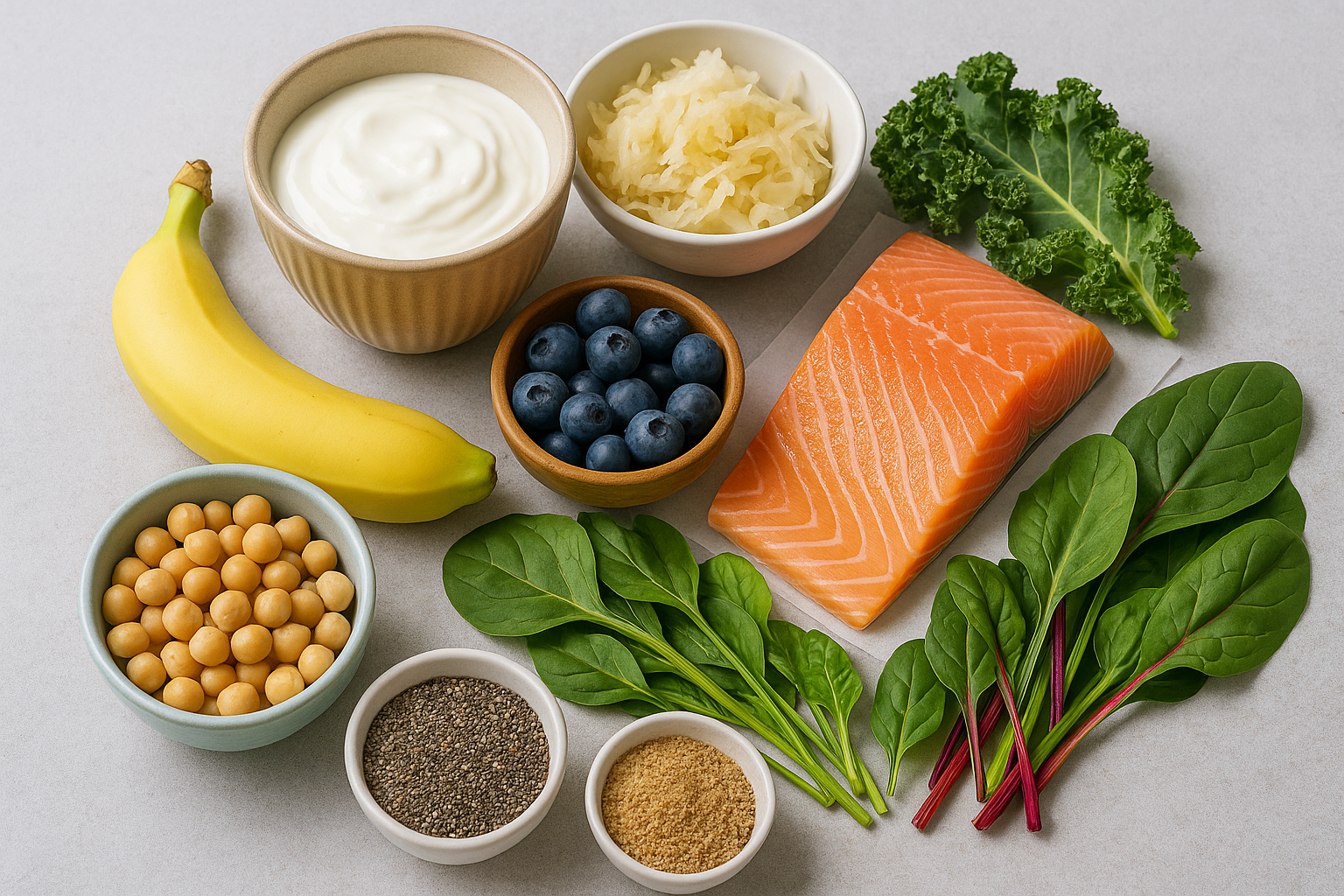

Your gut is more than just a place where food is digested. It’s a dynamic ecosystem that influences digestion, metabolism, immunity, mood, and even brain health. Scientists often call the gut our “second brain” because of its connection to the nervous system and its role in producing neurotransmitters like serotonin.
But modern stressors, poor diet, antibiotics, processed foods, lack of sleep, and stress can disrupt the delicate balance of the gut microbiome. When that happens, you may experience symptoms like bloating, constipation, diarrhea, food sensitivities, fatigue, frequent illness, or even skin problems.
Fortunately, diet plays a powerful role in repairing and restoring gut health. By eating the right foods, you can nourish beneficial bacteria, reduce inflammation, and strengthen the gut lining. Below, we explore the best gut-healing foods, the science behind them, and how to incorporate them into your everyday life.
Why Gut Health Matters
The gut is home to trillions of microorganisms that make up the gut microbiome. These microbes have several vital roles:
- Digestion & nutrient absorption: Breaking down fiber and complex foods.
- Immune function: 70% of the immune system resides in the gut.
- Inflammation control: Producing compounds like short-chain fatty acids that reduce systemic inflammation.
- Mood & mental health: Communicating with the brain via the gut-brain axis.
- Metabolism & weight management: Influencing how the body stores fat and regulates blood sugar.
When gut balance is disrupted (a state known as dysbiosis), it increases the risk of digestive disorders, autoimmune issues, metabolic conditions, and even anxiety or depression. That’s why focusing on gut-healing foods is one of the most impactful ways to support your overall wellness.
The Best Gut-Healing Foods
1. Fermented Foods (Probiotic Powerhouses)
Examples: Yogurt, kefir, sauerkraut, kimchi, miso, tempeh, kombucha
Why they help:
- Fermented foods are rich in probiotics, the beneficial bacteria that replenish and diversify the microbiome.
- They improve digestion, reduce bloating, and may help regulate bowel movements.
- Probiotics strengthen immunity by improving the gut barrier and modulating inflammation.
💡 Tip: Look for unpasteurized versions (like refrigerated sauerkraut or kimchi) since pasteurization can kill live bacteria.
2. Prebiotic-Rich Foods (Fuel for Healthy Bacteria)
Examples: Garlic, onions, leeks, asparagus, bananas, apples, oats, chicory root
Why they help:
- Prebiotics are fibers that humans can’t digest but beneficial bacteria thrive on.
- Feeding these microbes helps them produce short-chain fatty acids (SCFAs) like butyrate, which reduce inflammation, protect the gut lining, and improve insulin sensitivity.
💡 Tip: Pair prebiotic foods with probiotics (a “synbiotic” combo) for maximum gut health benefits.
3. Bone Broth (Gut-Lining Support)
Nutrients: Collagen, gelatin, glutamine, and minerals
Why it helps:
- Collagen and amino acids in bone broth may help repair and strengthen the intestinal lining.
- Supports those with “leaky gut” or conditions like IBS.
- Provides hydration and electrolytes that support digestion.
💡 Tip: Sip bone broth as a warm drink or use it as a base for soups.
4. High-Fiber Foods (Microbiome Builders)
Examples: Lentils, beans, chickpeas, flaxseeds, chia seeds, leafy greens, whole grains
Why they help:
- Fiber adds bulk to stool, preventing constipation.
- Soluble fiber feeds good bacteria, improving microbiome diversity.
- Insoluble fiber keeps digestion regular and supports detoxification.
💡 Tip: Increase fiber gradually and drink water to prevent discomfort.
5. Omega-3 Rich Foods (Anti-Inflammatory Support)
Examples: Salmon, sardines, walnuts, chia seeds, flaxseeds
Why they help:
- Omega-3 fatty acids reduce gut inflammation and support microbial diversity.
- Studies suggest omega-3 intake may help regulate inflammatory bowel diseases and improve gut barrier function.
💡 Tip: Aim for fatty fish 2–3 times per week, or choose plant-based sources if vegan.
6. Polyphenol-Rich Foods (Antioxidant Allies)
Examples: Blueberries, raspberries, green tea, dark chocolate, extra virgin olive oil
Why they help:
- Polyphenols act as antioxidants and also as prebiotics, feeding beneficial gut bacteria.
- They reduce oxidative stress, which protects gut tissue.
- Linked to lower risk of heart disease, improved cognition, and better digestion.
💡 Tip: Pair polyphenol foods with healthy fats (like olive oil) for better absorption.
7. Ginger and Turmeric (Spices That Soothe)
Why they help:
- Both spices have strong anti-inflammatory and antimicrobial properties.
- Ginger helps relieve nausea, indigestion, and bloating.
- Turmeric (especially with black pepper to boost absorption) supports gut lining health and calms inflammation.
💡 Tip: Add fresh ginger to smoothies or teas, and turmeric to soups, stews, or golden milk.
8. Aloe Vera Juice
Why it helps:
- Traditionally used to reduce inflammation, aloe vera supports gut lining health.
- May soothe symptoms of acid reflux and mild digestive discomfort.
💡 Tip: Use food-grade aloe vera juice in moderation to avoid laxative effects.
9. Lean Proteins (Gentle on Digestion)
Examples: Chicken, turkey, tofu, lentils
Why they help:
- Provide essential amino acids without overwhelming the digestive system.
- Easier to digest compared to fatty or processed meats.
💡 Tip: Combine lean proteins with fiber-rich vegetables for balanced, gut-friendly meals.
Lifestyle Tips to Enhance Gut Healing
While food is the foundation, lifestyle choices also influence gut health:
- Stay hydrated: Water supports digestion and nutrient absorption.
- Manage stress: Chronic stress disrupts the gut-brain axis. Try meditation, yoga, or mindful breathing.
- Get enough sleep: Poor sleep alters gut bacteria balance. Aim for 7–9 hours nightly.
- Limit irritants: Processed foods, excess sugar, artificial sweeteners, alcohol, and fried foods can all harm the microbiome.
Conclusion
Gut health impacts everything from digestion to immunity, energy, and mood. The good news is you don’t need drastic changes to start healing your gut. By incorporating gut-healing foods, fermented probiotics, prebiotic fibers, bone broth, omega-3s, and anti-inflammatory spices, you can restore balance, strengthen your gut lining, and support whole-body wellness.
Remember, healing takes consistency. Nourish your microbiome daily, and over time, you’ll feel the difference in your digestion, energy, and overall well-being.