

Selenium may not get as much attention as vitamins C or D, but this trace mineral is essential for human health. Found in soil, water, and certain foods, selenium acts as a powerful antioxidant, supports immune function, and plays a critical role in thyroid health.
In the U.S., selenium deficiency is rare thanks to selenium-rich soils in many regions, but low intake can still impact energy levels, immunity, and long-term wellness. On the other hand, too much selenium can also be harmful, which is why balance matters.
This blog explores what selenium is, why the body needs it, the best food sources, and how it influences daily health and performance.
What is Selenium?
Selenium is a trace mineral, meaning the body only requires small amounts yet those amounts are vital. It is a key component of selenoproteins, which are enzymes and proteins that protect cells from oxidative stress, regulate thyroid hormones, and support reproduction.
Health Benefits of Selenium
1. Antioxidant Protection
- Selenium helps produce enzymes like glutathione peroxidase, which protect cells from free radical damage.
- This antioxidant defense may reduce the risk of chronic conditions linked to oxidative stress, including heart disease and cognitive decline.
2. Immune System Support
- Adequate selenium strengthens the immune response by enhancing the activity of white blood cells.
- Research suggests selenium may help reduce the severity of viral infections and support overall immune resilience.
3. Thyroid Health
- The thyroid gland contains more selenium per gram of tissue than any other organ.
- Selenium-dependent enzymes help regulate thyroid hormone production, impacting metabolism, growth, and energy levels.
- Studies link selenium intake with improved outcomes in people with thyroid conditions such as Hashimoto’s thyroiditis.
4. Heart Health
- Selenium’s antioxidant and anti-inflammatory roles may support cardiovascular wellness by reducing oxidative stress in blood vessels.
- Low selenium levels have been associated with increased risk of heart disease.
5. Brain and Cognitive Function
- Adequate selenium intake may help protect the brain from oxidative stress that contributes to age-related cognitive decline.
- Some studies suggest selenium works synergistically with other antioxidants, such as vitamin E, to support memory and mood.
6. Reproductive Health
- Selenium supports fertility in both men and women.
- In men, it helps maintain sperm quality and motility, while in women, it supports ovarian health and early pregnancy.
Daily Impact: How Selenium Affects Everyday Life
- Energy: Because it regulates thyroid hormones, selenium directly influences metabolism and daily energy levels.
- Immunity: Getting enough selenium helps you stay resilient against seasonal illnesses and recover faster.
- Mood and focus: Through its role in brain health, selenium may help support mental clarity and balanced mood.
- Workout recovery: Antioxidant activity helps reduce oxidative stress caused by exercise, aiding recovery.
Best Food Sources of Selenium
You don’t need supplements to get selenium , it’s abundant in many whole foods.
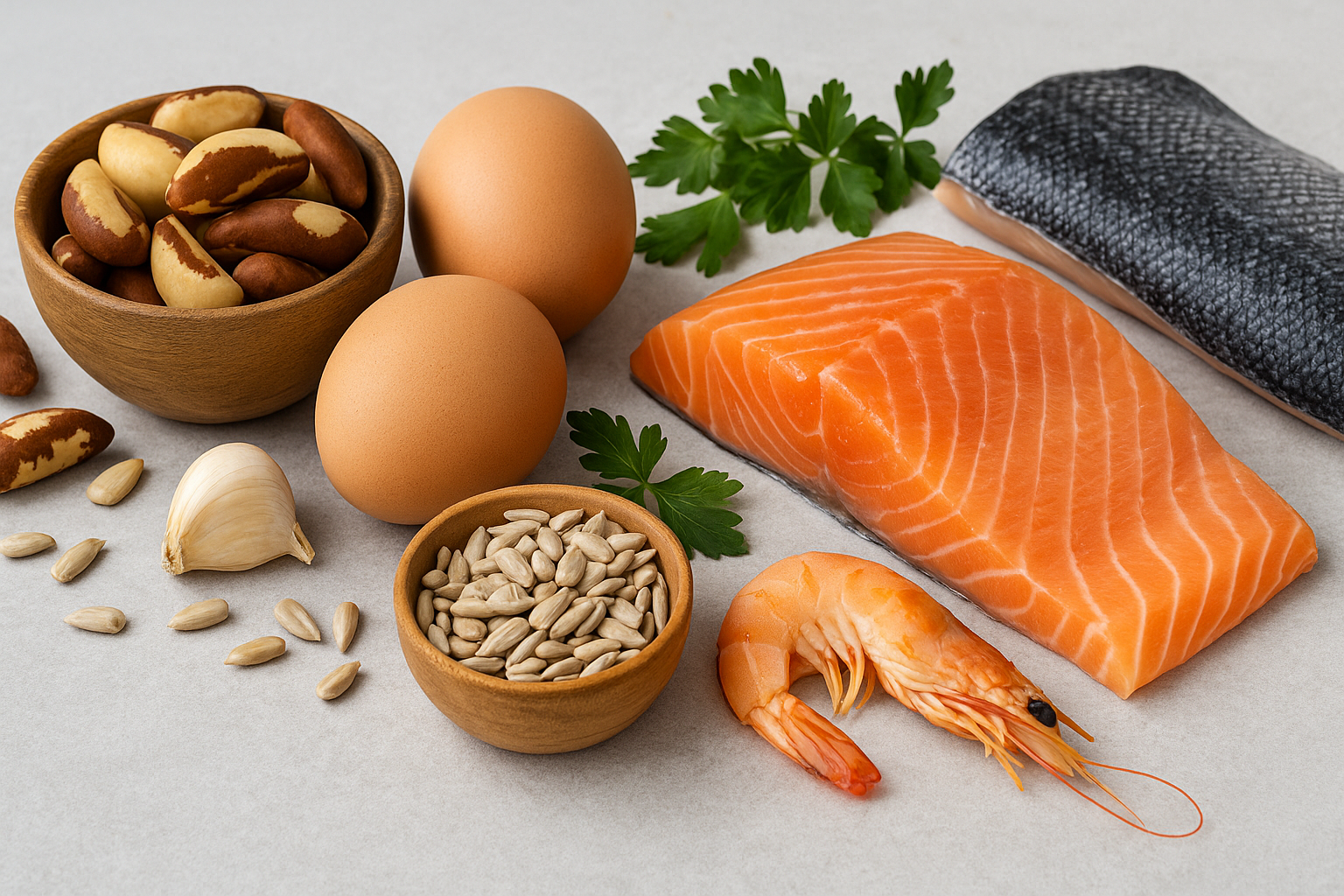
- Brazil nuts (one of the richest source, just 1–2 nuts may meet daily needs)
- Seafood (tuna, sardines, shrimp, salmon)
- Meats (turkey, chicken, beef)
- Eggs
- Whole grains (brown rice, oats, whole wheat bread)
- Dairy products (milk, yogurt, cheese)
- Sunflower seeds and mushrooms
Recommended Daily Intake
- Adults: 55 micrograms (mcg) per day
- Pregnant women: 60 mcg
- Breastfeeding women: 70 mcg
💡 Tip: More isn’t always better. High doses of selenium (>400 mcg/day) may cause toxicity, leading to symptoms such as nausea, fatigue, hair loss, or nerve issues.
Selenium Deficiency: Signs and Risks
While rare in the U.S., deficiency can occur in areas with low-selenium soil or in people with poor diets. Symptoms may include:
- Fatigue
- Weak immune response
- Cognitive changes
- Infertility issues
- Increased risk of thyroid dysfunction
Conclusion
Selenium may be a trace mineral, but its impact on health is anything but small. From boosting immunity and protecting cells to supporting thyroid and brain function, selenium is essential for daily wellness.
Adding selenium-rich foods like Brazil nuts, seafood, eggs, and whole grains to your diet is an easy way to ensure your body gets the nutrients it needs without going overboard.
A balanced intake of selenium can help you feel more energized, resilient, and focused, making it a true ally in your long-term health journey.