

Introduction
Probiotics have become one of the most popular supplements in the United States and worldwide, with millions turning to them for gut health, immunity, and beyond. But what exactly are probiotics, and why are they making headlines in both scientific research and consumer wellness?
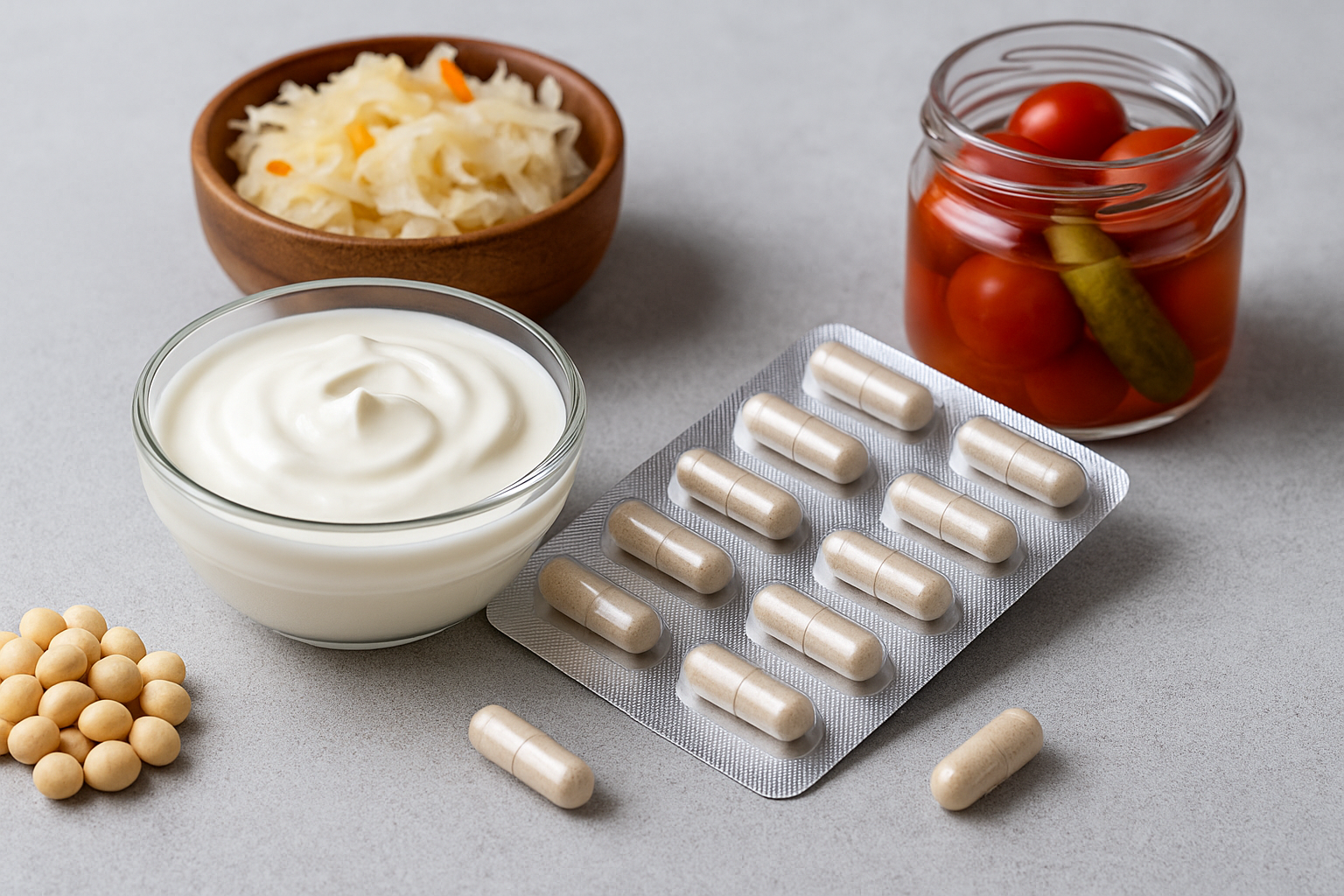
Probiotics are live microorganisms often beneficial bacteria or yeasts that, when consumed in adequate amounts, confer health benefits on the host. They are found naturally in fermented foods like yogurt, kefir, kimchi, and sauerkraut, but they are also available in capsule and powder form.
Recent studies highlight the strain-specific benefits of probiotics, showing that they influence far more than digestion alone. From blood sugar balance to mental health support, probiotics are gaining recognition as a cornerstone of integrative wellness.
Benefits of Probiotics
1. Gut Health and Digestion
- Balancing the microbiome: Probiotics replenish beneficial bacteria, supporting a healthy gut environment. This balance helps manage bloating, irregular bowel movements, and gas.
- Irritable Bowel Syndrome (IBS): Clinical studies show certain strains can reduce abdominal pain, bloating, and improve stool consistency.
- Antibiotic-Associated Diarrhea: Probiotics help restore gut flora disrupted by antibiotics. Pediatric RCTs have shown a reduced risk of diarrhea in children when probiotics are taken alongside antibiotics.
- Inflammatory Bowel Disease (IBD): Early evidence suggests some strains may help maintain remission in ulcerative colitis and reduce symptoms in pouchitis, though evidence is strain-specific.
2. Immune System Support
- Reduced infections: Probiotics strengthen gut-associated lymphoid tissue (GALT), where much of the immune system resides. Certain strains reduce the frequency of respiratory tract infections in children and adults.
- Enhanced vaccine response: Some studies show probiotics can boost the body’s immune response to vaccines by priming immune cells.
- Lowered inflammation: By regulating cytokine production, probiotics may help calm chronic low-grade inflammation, which is linked to many chronic diseases.
3. Metabolic and Weight Management
- Blood sugar control: Research indicates probiotics can improve insulin sensitivity and glycemic control in people with prediabetes and type 2 diabetes.
- Cholesterol management: Certain strains lower LDL cholesterol and triglycerides while modestly raising HDL, supporting heart health.
- Body composition: Some RCTs suggest multi-strain probiotics can help reduce body fat, waist circumference, and support lean muscle preservation when paired with diet and exercise.
4. Skin Health
- Eczema and dermatitis: Probiotics may reduce eczema severity in children and improve skin barrier function.
- Acne management: Emerging evidence suggests probiotics reduce inflammation linked to acne by modulating gut-skin axis pathways.
- Hydration and barrier function: Some strains support improved skin elasticity and hydration, enhancing “beauty from within.”
5. Mental Health and Brain Function
- The gut-brain connection: Probiotics produce neurotransmitters such as serotonin and GABA, which play roles in mood regulation.
- Depression and anxiety: Meta-analyses in 2024–2025 show that probiotic supplementation can reduce depressive symptoms and moderately improve anxiety.
- Cognitive performance: Small trials suggest improved memory and stress resilience, though more studies are needed.
6. Women’s Health
- Vaginal microbiome balance: Lactobacillus strains help maintain a healthy pH and reduce the risk of yeast infections and bacterial vaginosis.
- Pregnancy support: Probiotics may lower the risk of gestational diabetes and postpartum depression, though evidence is still emerging.
- Urinary tract health: Certain probiotics reduce recurrence of urinary tract infections (UTIs) by preventing pathogenic bacteria from adhering to the urinary tract.
Clinical Evidence & Recent Studies
- Antibiotic-associated outcomes: A 2024 RCT in adults found limited benefit in reducing antibiotic-associated diarrhea, while pediatric trials showed stronger results, highlighting differences by age and strain.
- IBS & GI conditions: Network meta-analyses confirm that probiotic effects are strain-specific, with some strains reducing IBS symptoms and bloating.
- Metabolic health: A 2025 multicenter RCT found probiotics combined with prebiotic fiber led to significant weight loss and improved blood sugar control in adults with obesity.
- Mental health: Recent systematic reviews (2025) concluded probiotics reduced depressive symptoms across multiple studies, though larger, standardized trials are needed.
- H. pylori eradication: Meta-analyses suggest that probiotics added to conventional therapy improve eradication rates and reduce side effects.
Safety of Probiotics
Probiotics are generally considered safe for healthy individuals, with the most common side effects being mild bloating or gas during initial use. However, those who are immunocompromised or have central venous catheters should consult a healthcare provider due to rare cases of bloodstream infections.
Product quality is also critical not all probiotics on the market contain the strains or CFU counts listed on their labels. Choosing third-party tested, clinically validated products ensures effectiveness and safety.
Conclusion
Probiotics are far more than a digestive aid they play a role in immune function, metabolism, skin health, mental wellness, and women’s health. While benefits are strain-specific and condition-specific, modern research strongly supports their use as part of a balanced wellness routine.
As science evolves, probiotics are set to become an even more important part of personalized health care, helping Americans manage gut health and beyond.
For best results, choose probiotics backed by clinical research, and consult your healthcare provider to find the right strains for your needs.