
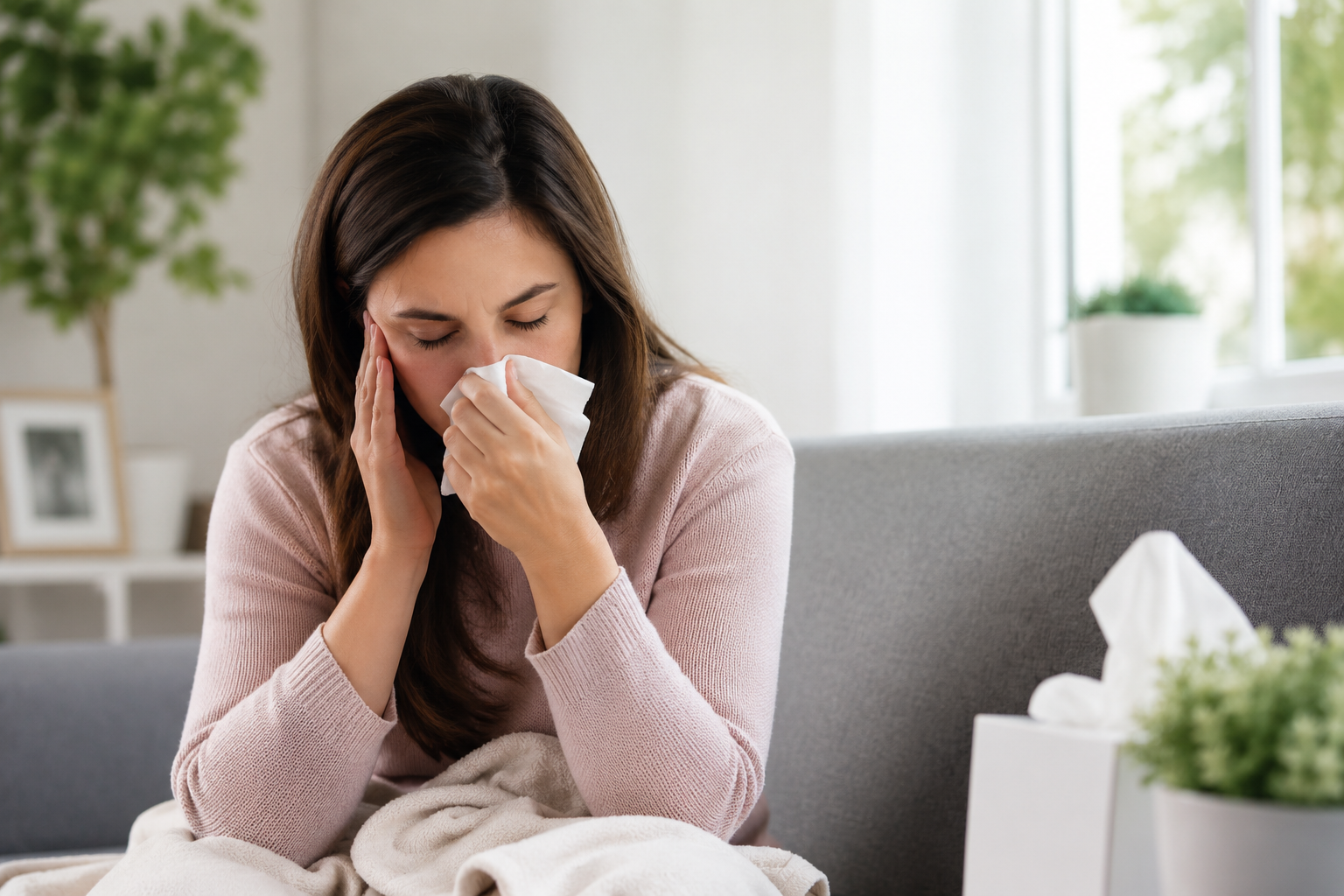

Seasonal allergies are usually associated with sneezing, itchy eyes, runny noses, and sinus pressure. But for many people, allergy season also brings another frustrating symptom: fatigue.
If you feel unusually drained during spring or early summer, it may not just be your busy schedule. Your immune system could be working overtime in response to pollen, grass, mold, or other seasonal triggers.
Allergy-related tiredness is real, and it can affect your sleep, focus, mood, and daily energy.
What Happens During Seasonal Allergies?
Seasonal allergies happen when your immune system reacts to harmless substances in the environment, such as pollen, grass, weeds, or mold spores.
When your body senses these allergens, it releases chemicals like histamine. Histamine helps defend the body, but it can also trigger common allergy symptoms such as:
Sneezing
Runny or stuffy nose
Itchy or watery eyes
Sinus pressure
Postnasal drip
Coughing
Throat irritation
While these symptoms may seem minor, your body is still using energy to manage the immune response. That can leave you feeling more tired than usual.
Your Immune System Is Working Harder
When allergies flare, your immune system is constantly responding to triggers in your environment. This ongoing immune activity can make your body feel like it is in a low-level state of stress.
Even if you are not sick, your body may act as if it is under attack. That can contribute to low energy, heaviness, and general fatigue.
This is one reason allergy season can make you feel worn down, even when you are sleeping enough.
Poor Sleep Can Make Fatigue Worse
Allergies can make it harder to get quality sleep. Nasal congestion, coughing, sinus pressure, and postnasal drip can interrupt your rest or make it difficult to breathe comfortably at night.
You may not fully wake up every time your sleep is disrupted, but your body still notices. Over time, lighter and more interrupted sleep can leave you feeling tired, groggy, and less focused the next day.
If you wake up with a dry mouth, stuffy nose, headache, or heavy eyes during allergy season, your sleep may be affected more than you realize.
Congestion Can Affect Oxygen Flow
When your nose is blocked, you may breathe more through your mouth, especially while sleeping. Mouth breathing can contribute to dry throat, poor sleep quality, and morning fatigue.
Sinus pressure can also make your head feel heavy or foggy. This can create the feeling of being tired, even if your body is not physically exhausted.
That “allergy fog” can make it harder to concentrate, stay productive, or feel mentally clear throughout the day.
Histamine May Play a Role in Tiredness
Histamine is one of the main chemicals involved in allergic reactions. It helps create inflammation and allergy symptoms, but it can also affect how you feel overall.
When histamine levels rise during allergy season, some people may feel more sluggish, irritable, or foggy. In addition, certain allergy medications, especially older antihistamines, may cause drowsiness.
If you feel unusually sleepy after taking allergy medicine, it may be worth speaking with a healthcare professional about other options.
Inflammation Can Leave You Feeling Drained
Allergies can cause inflammation in the nasal passages, sinuses, throat, and airways. While this inflammation is part of the body’s defense response, it can make you feel run down.
When your body is managing inflammation day after day, you may notice:
Lower energy
Brain fog
Head pressure
Mood changes
Less motivation
Trouble focusing
This does not mean something is seriously wrong. It may simply be your body asking for extra support during a high-allergen season.
Dehydration Can Make Symptoms Feel Worse
Allergy symptoms can sometimes make dehydration more noticeable. Congestion, mouth breathing, and warmer weather can all increase your need for fluids.
When you are dehydrated, mucus can become thicker, which may worsen congestion and postnasal drip. Dehydration can also contribute to headaches, low energy, and sluggishness.
Drinking enough water throughout the day is one of the simplest ways to support your body during allergy season.
How to Support Your Energy During Allergy Season
You may not be able to avoid every pollen particle, but small daily habits can help your body feel more supported.
Keep Your Indoor Air Cleaner
Close windows on high-pollen days, use an air purifier if possible, and change HVAC filters regularly. Showering or changing clothes after being outside can also help reduce pollen exposure indoors.
Stay Hydrated
Water supports overall wellness and helps keep your body functioning well during seasonal changes. Herbal teas, water-rich fruits, and electrolyte support can also be helpful during warmer months.
Prioritize Sleep
Try to keep your bedroom cool, clean, and as allergen-free as possible. Washing pillowcases often and keeping pets off the bed may help reduce nighttime allergy triggers.
Rinse After Outdoor Time
A quick shower, face rinse, or nasal rinse after being outside can help remove pollen from your skin, hair, and nasal passages.
Support Your Body With Nutrient-Dense Foods
Colorful fruits and vegetables provide antioxidants and nutrients that support overall immune health. Berries, citrus, leafy greens, peppers, and herbs are great spring-friendly choices.
Pay Attention to Medication Side Effects
Some allergy medications can cause drowsiness. If you suspect your medication is making you tired, ask a healthcare professional about alternatives.
When to Speak With a Healthcare Professional
Occasional allergy-related tiredness is common, but extreme or ongoing fatigue should not be ignored.
Consider speaking with a healthcare professional if your fatigue is severe, lasts beyond allergy season, affects your daily life, or comes with symptoms like shortness of breath, chest discomfort, fever, unexplained weight changes, or persistent headaches.
Allergies may be part of the picture, but it is always worth checking in if something feels unusual for your body.
Final Thoughts
Seasonal allergies can make you tired because your immune system is working harder, your sleep may be disrupted, and inflammation can leave your body feeling drained.
The good news is that simple habits can make allergy season feel more manageable. Staying hydrated, reducing pollen exposure, supporting sleep, and nourishing your body can help you feel more balanced during spring and early summer.
If you feel tired every time allergy season arrives, your body may not be lazy. It may simply be reacting to the world blooming around you.